Charles Trask
Charles Trask is a figure of raw, ungoverned emotion and tragic isolation in East of Eden. The half-brother of Adam Trask, he is defined by a violent temper, a desperate need for paternal love, and a profound inability to connect with others. His life, spent in lonely labor on the family farm in Connecticut, is a study in the destructive power of rejection and the corrosive nature of a love that is never returned. His death, and the strange will he leaves behind, casts a long shadow over the lives of Adam and his sons, injecting a fortune of uncertain moral origin into the Trask family saga.
Identity and Early Life
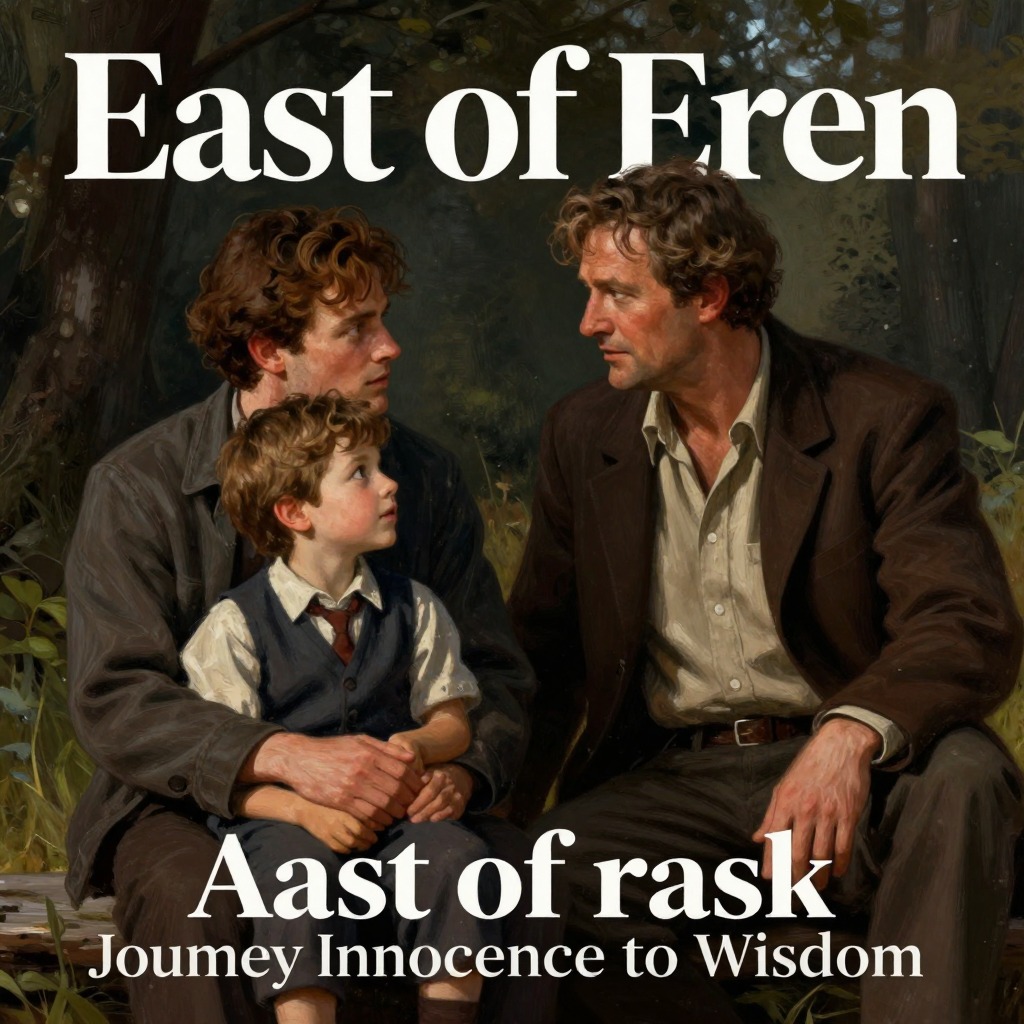
Charles Trask was born a little over a year after his half-brother Adam, the son of Cyrus Trask and his second wife, Alice. From childhood, he was the natural athlete, possessing instinctive timing, coordination, and a fierce will to win. He won all contests with Adam so easily that he soon lost interest, finding his competition elsewhere. This early dominance bred in him a protective contempt for his brother, whom he saw as a helpless creature. Yet, a deep and unspoken affection grew between them, more like the bond between a brother and a sister than between two brothers. Charles would fight any boy who challenged Adam and would even take blame to protect him from their father's harshness. This protective instinct, however, masked a profound and growing jealousy, for Charles sensed that his father, Cyrus, loved Adam more.
The Scar and the Hatred
The central trauma of Charles's young life was his father's rejection of a birthday gift. Charles had spent six bits—a considerable sum for him, earned by cutting and selling a load of wood—to buy Cyrus a pearl-handled German knife with three blades and a corkscrew. Cyrus received it with a mere "Thanks" and never used it, never even honed it. In contrast, Adam gave Cyrus a mongrel pup he had found in the woodlot, a gift that cost nothing. That dog slept in Cyrus's room and was trained by him; it was even present at his funeral, held by a colonel. This disparity ignited a murderous rage in Charles. After losing a game of peewee to Adam, Charles beat him savagely with a bat, then later returned with a hatchet to kill him, stopping only when he could not find him. This event left Adam in terror of his brother, understanding that he must never win against Charles unless he was prepared to kill him. The scar on Charles's forehead, a dark, crinkled mark from an accident with an iron bar, became a physical emblem of his inner turmoil and shame. He hated the scar, feeling it marked him like a cow, and it deepened his isolation and fury.
Life of Lonely Labor and Secret Vice
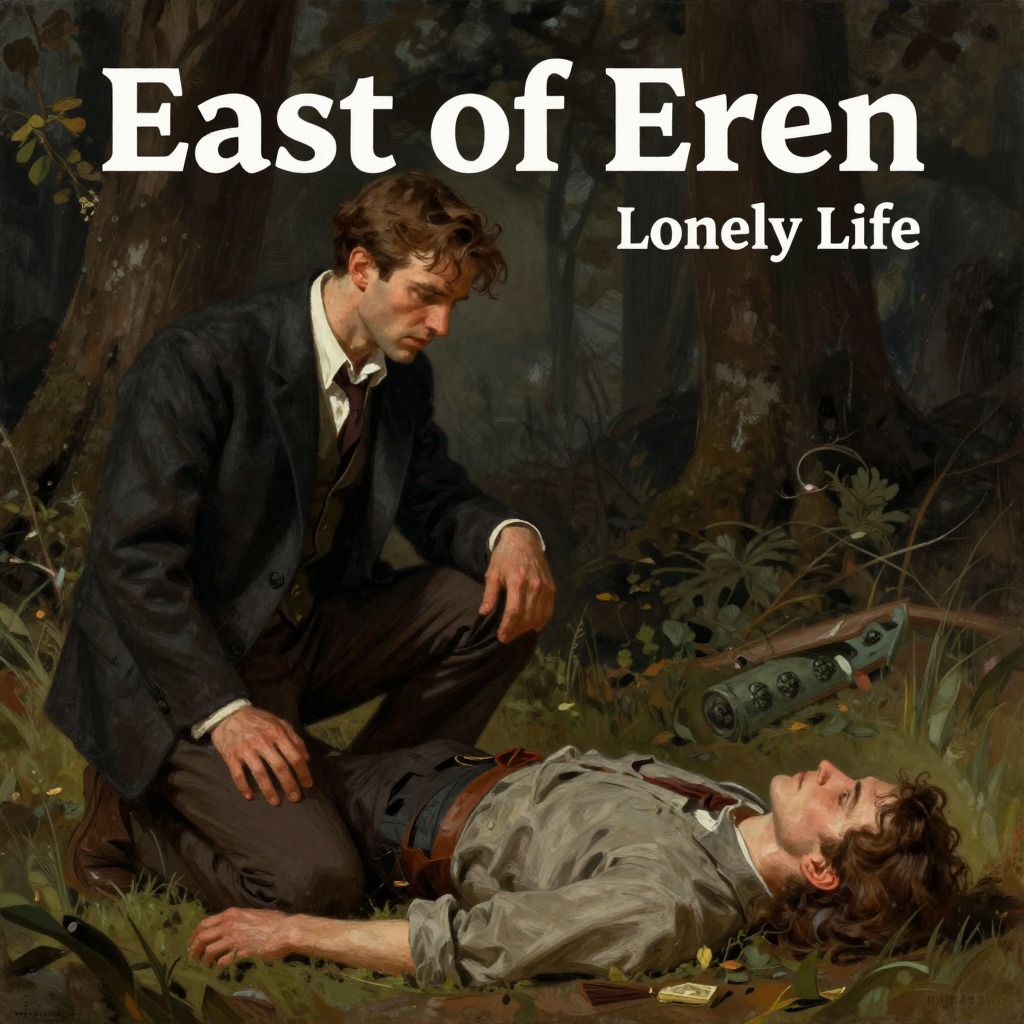
After Adam joined the army and Cyrus moved to Washington, Charles lived alone on the farm. He worked the land mightily, driven by loneliness, and the house fell into a gloomy, rustling decay. He developed a restlessness that got him out at dawn, and he gorged himself on fried food, falling into a torpor. His only regular escape was a secret, shame-filled one: he visited the prostitutes at the local inn, satisfying his needs in the anonymity of a paid transaction, a practice born of his abysmal shyness with women. He missed his brother more than he missed his parents, remembering the time before Adam left as the only happy time. His letters to Adam, written with a fullness he could never achieve in speech, reveal a deep loneliness and a perplexing sense of something unfinished in his life. In one, he confessed a feeling that the house was alive and that he should be the one wandering the world, not Adam.
The Father's Death and the Tainted Fortune
When Cyrus died, Charles was left with a fortune of over a hundred thousand dollars, a sum that filled him not with joy but with a sickening dread. He was convinced the money was stolen, a suspicion that poisoned his inheritance. He confronted Adam with this fear, agonizing over the possibility that their father's entire life—his military glory, his public honors—was a lie. Charles's love for Cyrus was so profound that the thought of his father being a thief and a liar was unbearable. He could not face the shame it would bring. In a moment of raw vulnerability, he broke down and cried, a rare display of the deep, unrequited love he felt. This crisis revealed the core of his being: a man who loved fiercely and was destroyed by the suspicion that his love was not returned.
Final Years and a Bitter Legacy
After Adam married Cathy and moved to California, Charles was left alone on the farm. He became a stranger to his brother, their correspondence dwindling to nothing. He channeled his energy into the land, clearing, building, and adding to the farm, becoming rich without pleasure and respected without friends. He died of a lung ailment, alone, and was buried in an unmarked grave in the Odd Fellows cemetery. His final act, however, was one of complex and bitter irony. His will, drawn up by his lawyers, left his considerable fortune—well in excess of one hundred thousand dollars—to be divided equally between Adam and his wife, Cathy. This was the woman Charles had instinctively hated and distrusted from the moment he saw her, the woman he had called a whore and a slut. In leaving her half his fortune, he created a moral and legal trap for his brother, forcing Adam to confront the legacy of his own failed marriage and the nature of the woman he had loved. The money, tainted by its unknown origins and its intended recipient, becomes a poisoned gift that haunts the Trask family for years to come.